Digital Design
·
Product Design
—
Climate & Sustainability
Client
Climes
Year
2023
Discipline
Digital Design
,
Product Design
Sector
Climate & Sustainability
Stack
Figma, Adobe Illustrator
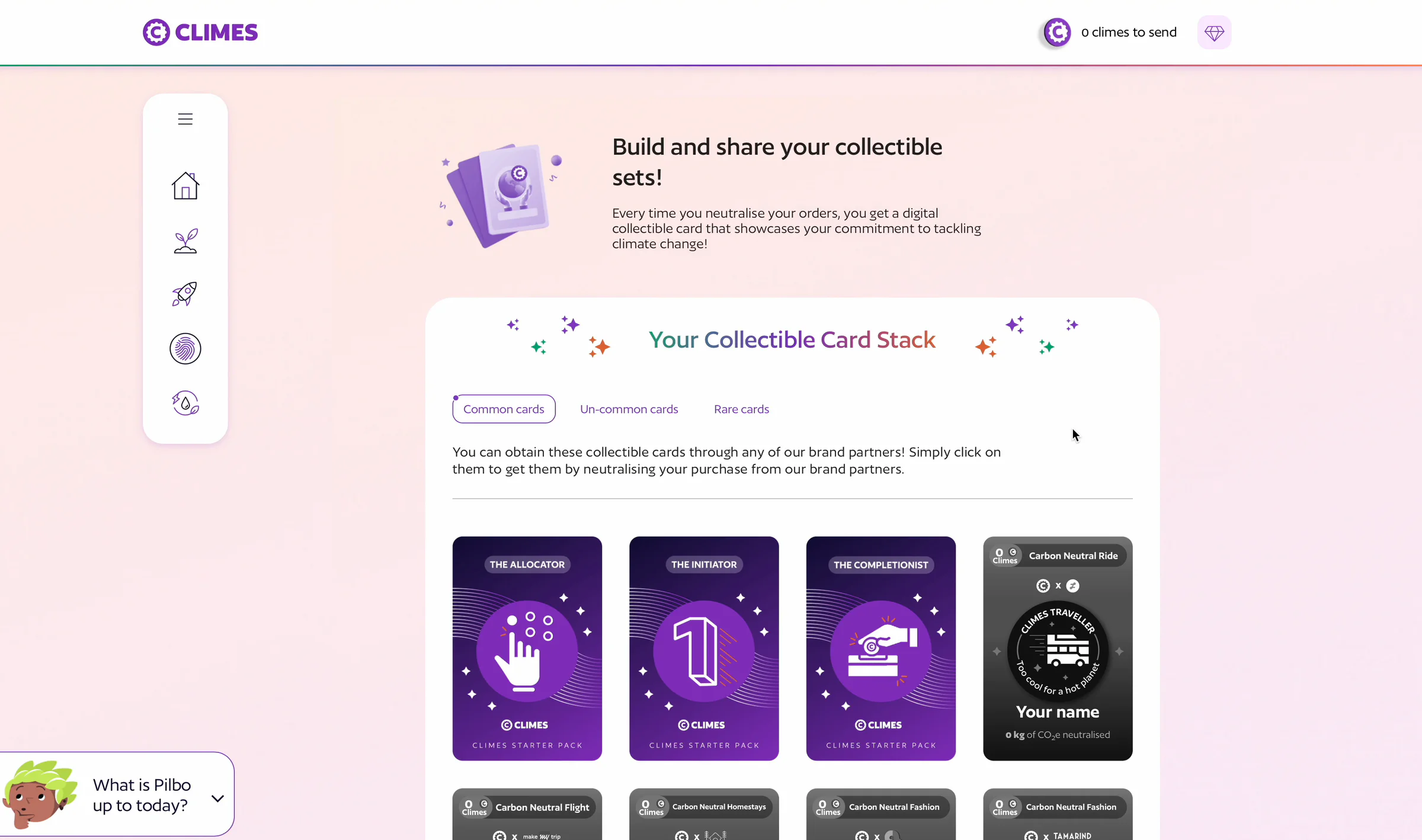
The V4 platform was a 2-month project to create a complete interaction system design for our digital products. Previously, a V3 platform design had been implemented without much foresight, resulting in a skewed user experience for our target audience. My role involved user testing the V3 platform, drawing insights and action points, laying the foundation for V4, designing the UX/UI and interaction of the V4 platform and coordinating with the developers to achieve our objective and subsequently developing a framework to apply the principles to our upcoming digital products that we create.
The full story — choose a chapter
Context
Process
Outcome
The Climes app was designed to be a platform that encouraged users to earn carbon credits through e-commerce portals like Amazon, choose which climate project they would like to send their credits towards and earn rewards. Our primary audience was young college students aged 18 to 21 and working professionals in Indian cities aged 25 to 35. During my initial days at Climes, a heuristic analysis of the V3 app, six to seven usability tests and quantitative data from our product manager pointed to a few fundamental issues: inconsistent component design and language, a broken journey for understanding how many credits you had earned and where to send them, an impact story we could not clearly communicate, a rewards system that failed to retain users, and an onboarding flow that left most people unsure where to start, leading to significant drop-offs.